
Cage and Environment
A practical, research-informed guide to choosing, placing, and maintaining an African Grey parrot cage and the surrounding space so your bird feels secure, stimulated, and healthy.
Introduction
You want a happy, confident African Grey, not a bored roommate with feathers. The biggest leverage point is the home setup. In this guide to Cage and Environment, you will learn exactly how to choose the right cage, arrange perches and toys, place the enclosure in your home, and keep everything clean without stressing your bird.
Cage and Environment
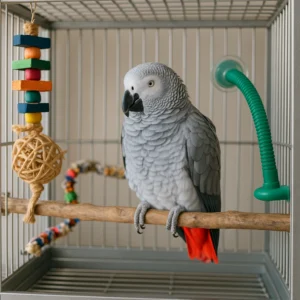
Think of the cage as a sanctuary. It is where your Grey eats, drinks, rests, and resets. A suitable footprint for most African Greys is at least 2 feet deep by 3 feet wide by 4 feet high, ideally with a playtop and removable tray. Even with the right footprint, out of cage time is essential. Plan daily supervised sessions for flight, climbing, and social contact.
Stock both the interior and the playtop with enrichment. Rotate foraging toys, shreddables, and problem-solving puzzles to maintain curiosity. Use a simple rotation calendar so novelty stays high while your bird can still predict the daily rhythm.
Bar Orientation, Spacing, and Shape
Horizontal side bars help African Greys climb with confidence. Choose a design with ample horizontal runs for exercise. Bar spacing matters for safety and confidence. A common target is about three-quarters of an inch to one inch between bars to prevent head or toe entrapment.
Avoid round cages. Converging bars can trap toes, the circular footprint wastes interior space, and the lack of a true back wall can reduce the sense of security. Square or rectangular cages maximize usable corners and perch lines.
Materials and Build Quality
Choose noncorrosive, bird-safe materials. High-quality powder-coated steel and stainless steel are the common winners for durability and safety. Inspect welds and joints for smoothness. There should be no sharp edges and no flaking finish. Door latches should be secure enough to withstand a curious Grey that learns fast.
Skip galvanized or shiny hardware cloth that may contain zinc. Hardware with accessible zinc can be hazardous if chewed. Stainless steel or well-cured powder coat is a safer bet for feeders and hardware.
Perches, Dishes, Trays, and Daily Care
- Perch variety: Offer several diameters so opposing toes can extend slightly more than halfway around. Mix natural wood branches, textured rope perches, and one grooming perch near a water source.
- Feeders: Prefer stainless steel or ceramic bowls. Replace soft aluminum cups that dent and harbor scratches.
- Trays and grates: Removable parts make cleaning easy. Line trays with plain newspaper for low dust and quick visual checks.
- Cleaning: Wipe with mild detergent and water or a bird-safe disinfectant. Rinse and dry thoroughly. Schedule a weekly deep clean and daily spot wipes on high-touch areas like food doors and playtops.
Placement and Household Environment
African Greys are flock-minded and want to be near household activity, yet they also need one protected side to feel secure. Place the cage where your bird can see people but is not exposed on all sides. Many homes choose a living or dining area with a nearby wall.
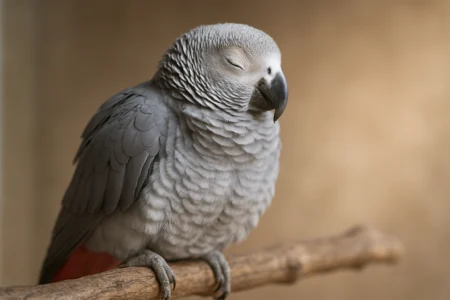
Keep away from kitchens and aerosol zones. Avoid fumes from non-stick cookware that contains PTFE, scented candles, air fresheners, and harsh cleaners. Protect from drafts, direct air conditioner blasts, and midday glare. Offer a consistent day-night cycle. Natural daylight plus a quiet, dark sleep window of 10 to 12 hours supports mood and immune function.
Side-by-Side Comparison
| Feature | Powder Coated Steel | Stainless Steel |
|---|---|---|
| Durability | High if coating quality is excellent | Very high and long-lasting |
| Finish Safety | Safe when cured and intact | No coating to chip |
| Cleaning | Moderate effort, avoid abrasives | Easy, resists staining |
| Cost | Lower to mid range | Higher initial investment |
Mini Case Studies
Case 1: A family placed a large cage in a sunlit corner near patio doors. Afternoon glare caused squinting and restlessness. A simple light filtering shade, plus moving the cage 60 centimeters, solved it within a day.
Case 2: A Grey began avoiding the playtop. The bar spacing on the ladder was too wide, causing hesitation. Swapping for a denser step ladder restored confidence in climbing immediately.
Myths, Mistakes, or Gotchas
- Myth: Bigger cages remove the need for out time. Reality: Out-of-cage flight and social time remain essential for health.
- Myth: All metal cages are equal. Reality: Coating quality and metal type matter. Avoid zinc accessible surfaces.
- Mistake: Using scented cleaners inside the cage. Fix: Use mild detergent or bird-safe disinfectant, rinse, and dry.
- Mistake: Placing the cage in the kitchen for the company. Fix: Keep a distance from hot surfaces and fumes.
- Gotcha: Perches that are all one diameter. Fix: Mix diameters and textures to support foot health.
FAQs
- Q: What is a good minimum cage size for an African Grey?
- A: A common minimum is about 2 feet deep by 3 feet wide by 4 feet high, with a playtop preferred. Larger is usually better if bar spacing and build quality remain appropriate.
- Q: Which bar spacing should I choose?
- A: Aim for approximately three-quarters of an inch to one inch to prevent head or toe entrapment while still allowing climbing comfort.
- Q: Are round cages acceptable?
- A: Avoid them. Converging bars can trap toes, and the shape reduces usable space and the feeling of a protected back.
- Q: What materials are safest for cages and bowls?
- A: High-quality powder-coated steel and stainless steel are common choices. Stainless or ceramic bowls are durable and easy to sanitize.
- Q: What should I use on the tray?
- A: Plain newspaper works well. Many organic beddings add dust and can be unsafe if ingested.
- Q: Where should I place the cage in my home?
- A: In a social area like a living room with at least one side protected by a wall, away from kitchens, drafts, and aerosol products.
Conclusion & Next Steps
The right cage and environment turn a house into a secure, stimulating home for your African Grey. Focus on safe materials, smart placement, varied perches, and consistent cleaning. Small choices add up to big gains in confidence and well-being.