
African Grey Illness Signs
Know the early red flags that suggest your African Grey may be unwell, how to monitor them at home, and when to call an avian veterinarian.
Introduction
Something feels off. Your usually chatty grey is quiet, fluffed, or skipping breakfast. This guide to African Grey Illness Signs translates subtle changes in behavior, droppings, weight, breathing, and feathers into clear next steps so you can act quickly and partner with your avian vet.
African Grey Illness Signs — early red flags
Parrots hide weakness. That means small shifts often appear first. If you notice any of the signs below for more than 24 hours, or anything acute like breathing effort or sudden falls, contact an avian veterinarian immediately.
- Activity and appetite: sudden listlessness, sleeping outside normal times, new quietness, reduced eating or drinking.
- Droppings: change in color or consistency of feces or urates that persists beyond a day or two.
- Diarrhea pattern: lack of the usual three parts, visible undigested food, plus weight loss.
- Weight loss: prominent keel, bird feels unexpectedly light when you lift.
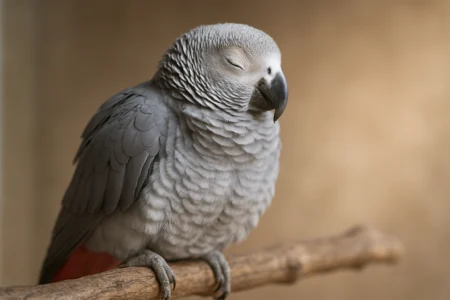
- Feathers and molt: prolonged pinfeathers, dull or unusual color, broken or chewed feathers, staying fluffed all the time.
- Sneezing with discharge: stained feathers around nares or face, crust in or around the nostrils.
- Regurgitation vs vomiting: brief, social regurgitation can be normal, but repeated or prolonged episodes suggest crop or systemic problems.
- Respiratory effort: tail bobbing with each breath, wheezing or clicking sounds.
- Balance issues: falls from perches, huddling on the cage floor.
- Eyes and feet: squinting, redness or swelling around eyes, scaly or sore foot pads.
- Head movement: excessive head bobbing or shaking outside of typical behavior.
At-home monitoring that helps your vet
- Weight: Weigh at the same time each morning before breakfast using a gram scale with a perch. A change greater than 3 to 5 percent in a week warrants a call.
- Breathing check: Watch at rest for 60 seconds. Note tail movement, open mouth breathing, or sound changes. Any visible effort is urgent.
- Hydration and intake: Track water levels and wet food. Sudden increases or decreases can be meaningful.
Side-by-Side Comparison
| Feature | Typical | Concerning |
|---|---|---|
| Structure | Three parts: green or brown feces, white urates, clear urine | Parts blended into one smear or missing urates for more than a day |
| Consistency | Formed fecal coil with small wet halo | Watery puddle, continuous liquid, or visible undigested food |
| Color | Diet influenced within a normal range | Black, tarry, bright red, persistent yellow urates, or sudden pale changes not tied to diet |
| Odor | Mild to none | Strong or foul smell |
Immediate steps while you arrange vet care
Prioritize warmth, quiet, and hydration. Offer familiar foods and fresh water. Remove scented cleaners and aerosol products from the area. Do not give over-the-counter medications without veterinary guidance. If breathing is labored, keep the carrier ready and go to an avian-experienced clinic as soon as possible.
Myths, Mistakes, or Gotchas
- Myth: Fluffed feathers always mean the bird is happy. Reality: Constant fluffing commonly signals fever, pain, or chills.
- Myth: Drinking more water is always good. Reality: Sudden polydipsia can indicate metabolic disease or infection.
- Mistake: Waiting for dramatic symptoms. Fix: Call your avian vet when mild signs persist beyond 24 hours.
- Gotcha: Confusing affectionate regurgitation with vomiting. Fix: Vomiting is usually forceful, repeated, and not directed toward a person or toy.
FAQs
- Q: How fast can illness progress in African Greys?
- A: Birds can decline quickly. Monitor daily and call your avian veterinarian if signs persist beyond 24 hours or if breathing effort appears.
- Q: What temperature and humidity help recovery while I wait for the appointment?
- A: Aim for a quiet, draft free spot near 24 to 26°C with moderate humidity. Avoid heat lamps unless directed by your vet.
- Q: How do I tell diarrhea from polyuria after juicy foods?
- A: Polyuria has normal feces with excess clear urine. Diarrhea alters the fecal portion itself and often blends the three parts.
- Q: My bird is sneezing. When is it a problem?
- A: Occasional dry sneezes can be normal. Repeated sneezing with discharge, stained feathers, or crusted nares warrants a vet visit.
- Q: Should I isolate my grey from other birds?
- A: Yes, if you suspect illness. Use separate dishes and wash hands between handling birds until cleared by a veterinarian.
- Q: What records should I bring to the clinic?
- A: Recent weights, diet notes, photos of droppings, a list of exposures like new toys or cleaners, and the exact timing of signs.
Conclusion & Next Steps
Catching illness early is the kindest thing you can do. Track small changes, stabilize the environment, and consult an avian veterinarian quickly. Most problems are easier to treat when recognized at the first sign.