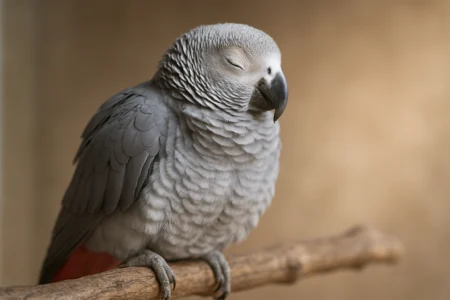

African Grey Toxic Foods
What not to feed your African Grey, why these items are dangerous, and safe swaps you can serve instead. Keep this guide near the kitchen for quick checks.
Introduction
Bold claim: If it is on your plate, it is not automatically safe for your parrot. African Grey Toxic Foods are a short list, but the consequences can be severe. Below you will find a concise do-not-feed list, the science in plain language, and quick swaps so you can share mealtimes safely.
African Grey Toxic Foods list
Use this checklist when cooking, snacking, and cleaning up. When in doubt, skip it.
- Avocado – Contains persin that can trigger respiratory and cardiac distress in birds. Avoid all parts including guacamole.
- Chocolate and cocoa – Theobromine and caffeine affect the heart and nervous system. Early signs include vomiting and diarrhea followed by tremors or seizures.
- Tomato greens – Leaves, vines, and stems are toxic. Ripe fruit is acceptable in small portions with all green parts removed. Wash well.
- Caffeinated drinks – Coffee, tea, energy drinks, and soda can cause arrhythmias and hyperactivity. Choose water or diluted fruit and vegetable juices instead.
- Alcohol – Depresses organ systems and can be fatal. Keep glasses out of reach during gatherings.
- Raw dried beans – Contain hemagglutinin. Serve only fully cooked legumes with no salt or seasoning.
- Pits and many fruit seeds – Apple seeds and pits from stone fruits can contain cyanogenic compounds. Offer fruit flesh only and core first. Rinse produce to reduce pesticide residues.
- Rhubarb leaves – High oxalates irritate the gut and can be dangerous. Avoid entirely.
- High fat, fried, salty, or sugary foods – Increase risk of obesity, fatty liver, dehydration, and kidney stress.
- Mushrooms – Some species are linked to digestive upset and potential liver issues. Avoid unless cleared by an avian vet.
- Onion in excess – Large or frequent amounts can contribute to hemolytic anemia. Small cooked traces in a shared vegetable mix are generally avoided for safety.
- Nutmeg – Contains myristicin that can cause neurologic signs. Avoid in baked goods and sauces.
- Peanuts of unknown quality – Risk of aflatoxin contamination that harms the liver. Choose tested tree nuts like almond or walnut sourced for parrots. Roasting reduces but does not remove risk.
- Anything questionable – If you are not sure, do not serve it.
Safe swaps your African Grey will love
- Instead of chocolate – Offer a sunflower seed or almond sliver as training pay and a blueberry for dessert.
- Instead of chips – Try crunchy snap peas or bell pepper strips.
- Instead of sweet baked goods – Share warm cubes of cooked sweet potato or butternut squash.
Side-by-Side Comparison
| Item to avoid | Why it is risky | Safe swap |
|---|---|---|
| Avocado | Persin linked to heart and breathing issues | Diced zucchini or cucumber |
| Chocolate | Theobromine and caffeine overstimulate | Blueberries or pomegranate arils |
| Caffeinated tea or coffee | Cardiac and neurologic effects | Water or diluted carrot juice |
| Raw dried beans | Hemagglutinin lectin | Fully cooked lentils or chickpeas |
| Fruit pits and apple seeds | Cyanogenic compounds | Cored apple slices or peach flesh only |
| Salty snacks | Thirst, kidney strain | Unsalted air popped corn or pepper strips |
Myths, Mistakes, or Gotchas
- Myth: A tiny bite of avocado is fine. Reality: Risk is not worth it. Choose a safe green vegetable.
- Mistake: Letting guests offer snacks without guidance. Fix: Post a simple do not feed list and hand them a plate of approved treats.
- Myth: Peanuts labeled human grade are always safe. Reality: Aflatoxin risk varies by batch. Prefer verified parrot safe nuts.
- Gotcha: Tomato plants on the patio. Fix: Block access to vines and leaves even if ripe tomatoes are allowed.
FAQs
- Q: Can African Greys eat avocado if it is just a smear in a sandwich?
- A: No. Avoid all forms including spreads and oils that contain avocado.
- Q: Are tomatoes safe?
- A: Ripe fruit in modest portions is fine when washed and all stems and leaves are removed. Avoid green parts of the plant.
- Q: What should I do if my bird ingests a toxic item?
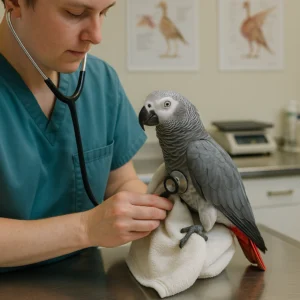
- A: Call your avian vet or a poison helpline immediately. Do not wait for symptoms. Bring packaging and estimate the amount eaten.
- Q: Is peanut butter acceptable?
- A: It depends on sourcing and sugar levels. Due to aflatoxin concerns many guardians skip peanut products and choose almond or cashew butters made for parrots in tiny amounts.
- Q: Can my Grey drink herbal tea?
- A: Only caffeine-free, unsweetened herbal teas that are known safe for birds. Offer plain water first. Check ingredients and avoid mixes with nutmeg or unknown botanicals.
- Q: How do I transition away from unhealthy snacks?
- A: Pair new foods with favorites, chop small, and use training micro rewards. Track accepted items and rotate textures to build variety.
Conclusion & Next Steps
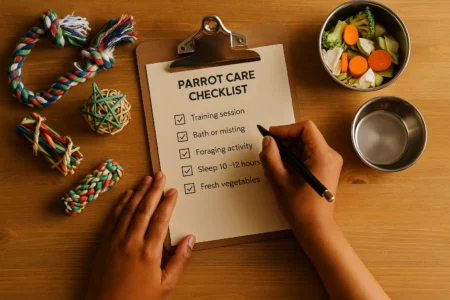
Shared meals build trust when they are safe. Keep toxic items off limits, stock easy swaps, and teach guests the rules. Print the visual checklist and place it where snacks happen most often.